Pantelleria's marine biodiversity across recovery and protection
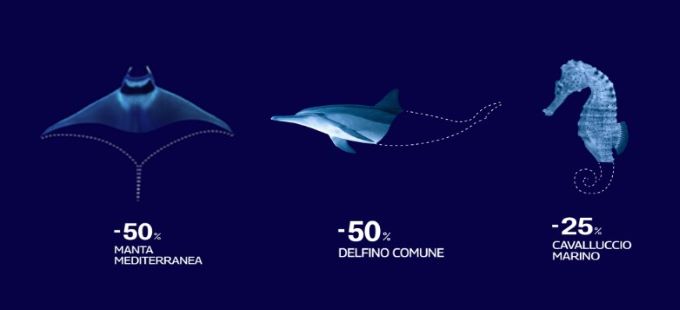
Launched by an unprecedented collaboration between environmentalists, fishers and researchers, the PANTHER project promotes the protection and restoration of Pantelleria’s Campobello Shoal. This marine area, once rich in biodiversity, has seen a drastic decline in fish stocks and habitat loss.
Pantelleria is a volcanic island located in the Strait of Sicily, between Italy and Tunisia. Although isolated and characterized primarily by artisanal fishing, Pantelleria has not been spared by the impacts of industrial fishing and climate change.
Due to its abundant marine life, the island has historically attracted fishing vessels from Sicily, Sardinia, Malta and Tunisia, leading to the depletion of its marine ecosystems.
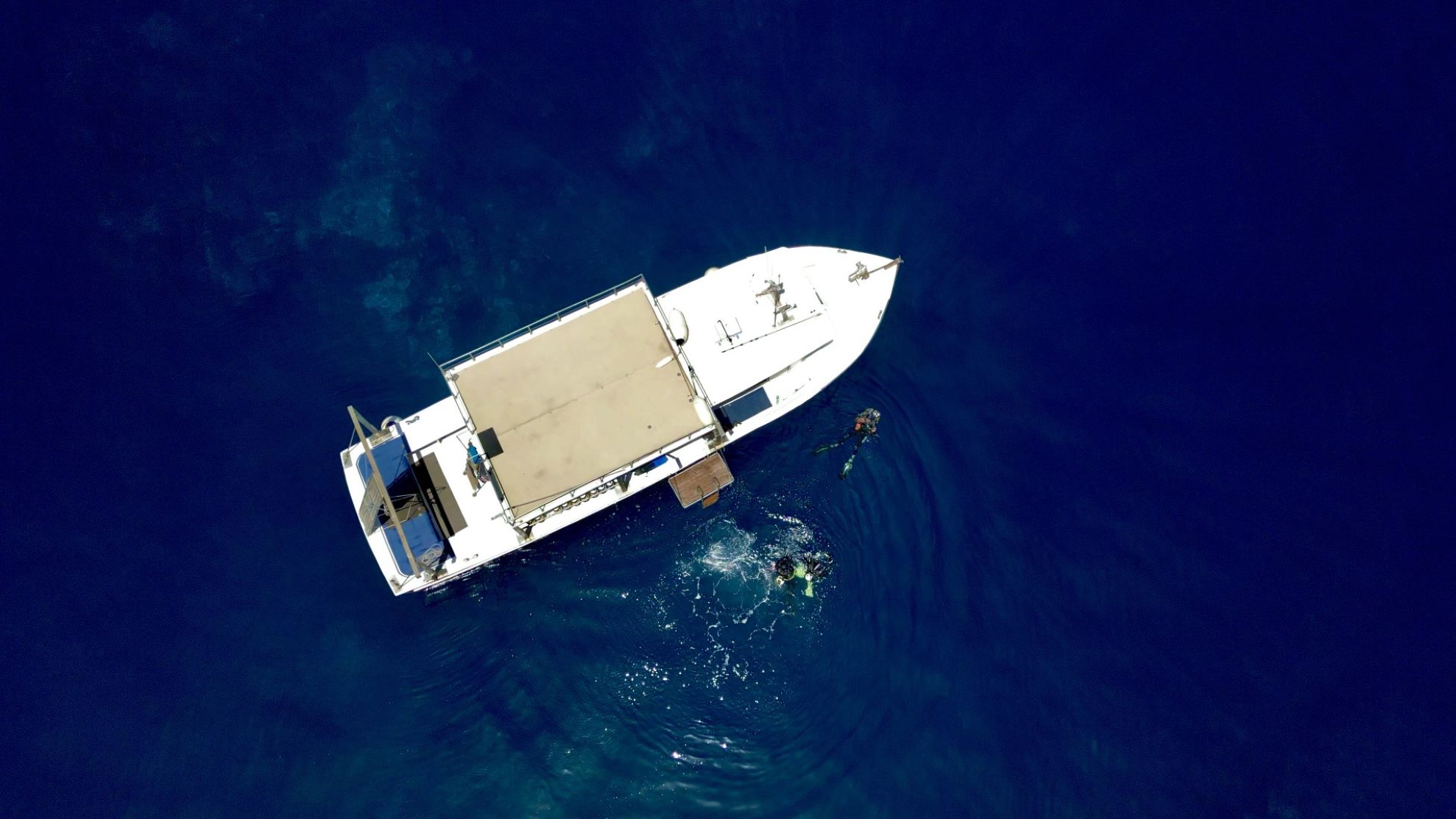
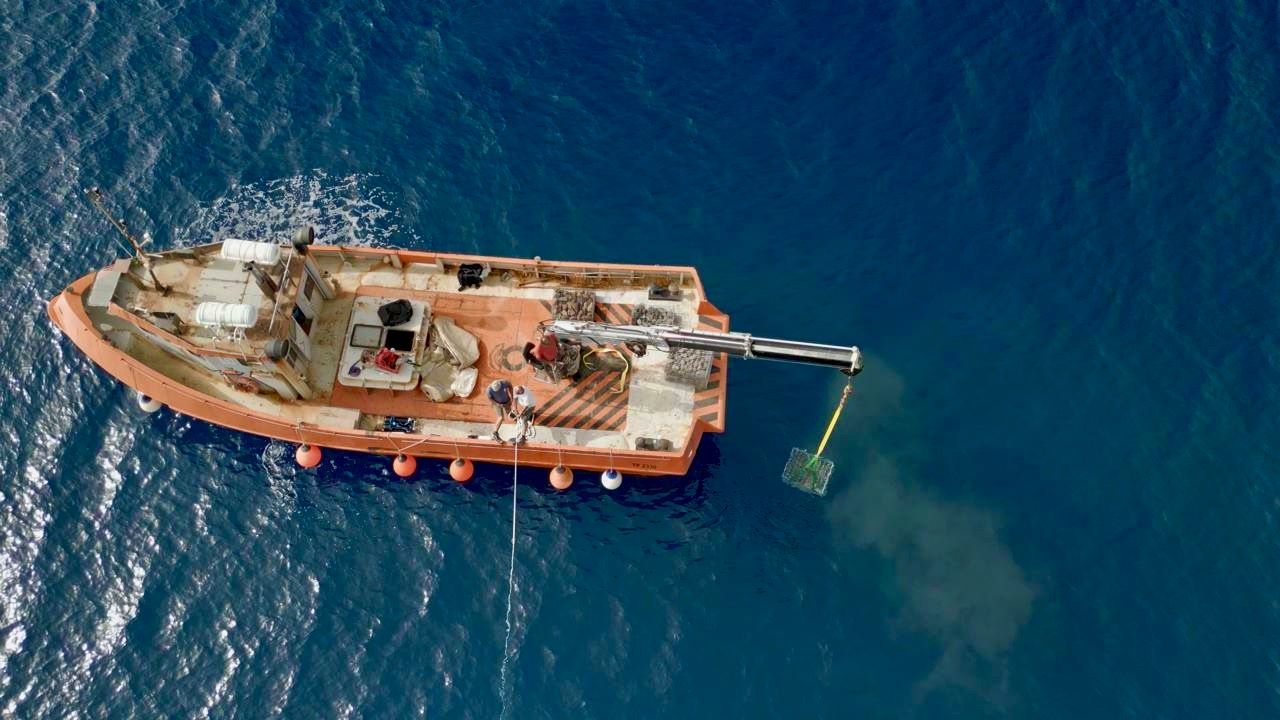
In 2024, the call by local small-scale fishers to recover the Campobello shoal led MedReAct, the Polytechnic University of Marche, Pantelleria Fishermen's Association, and Yam Sub to join forces and launch the PANTHER project (Pantelleria Benthic Habitat Recovery). Using an innovative approach, the project not only promoted the transplanting of key marine species (sponges, gorgonians and Posidonia oceanica) in the Campobello Shoal, but also secured its full protection. In 2025, a decree from the Sicilian Region banned fishing, diving, transit, stationing and anchoring in the area.
Thanks to its unique combination of marine restoration activities and conservation measures, PANTHER represents an example of good practice to be replicated in other areas of the Mediterranean.
Regenerating a marine area once rich in biodiversity.
Located off the coasts of Pantelleria, the Campobello Shoal covers an area of 35,000 m2, affected by strong currents, making it rich in nutrients and biodiversity.
Identified by Pantelleria fishers as a nursery ground for fish species, the area is home to some of the richest habitats in the Mediterranean, such as coralligenous and Posidonia oceanica meadows, which have suffered widespread depletion over time.
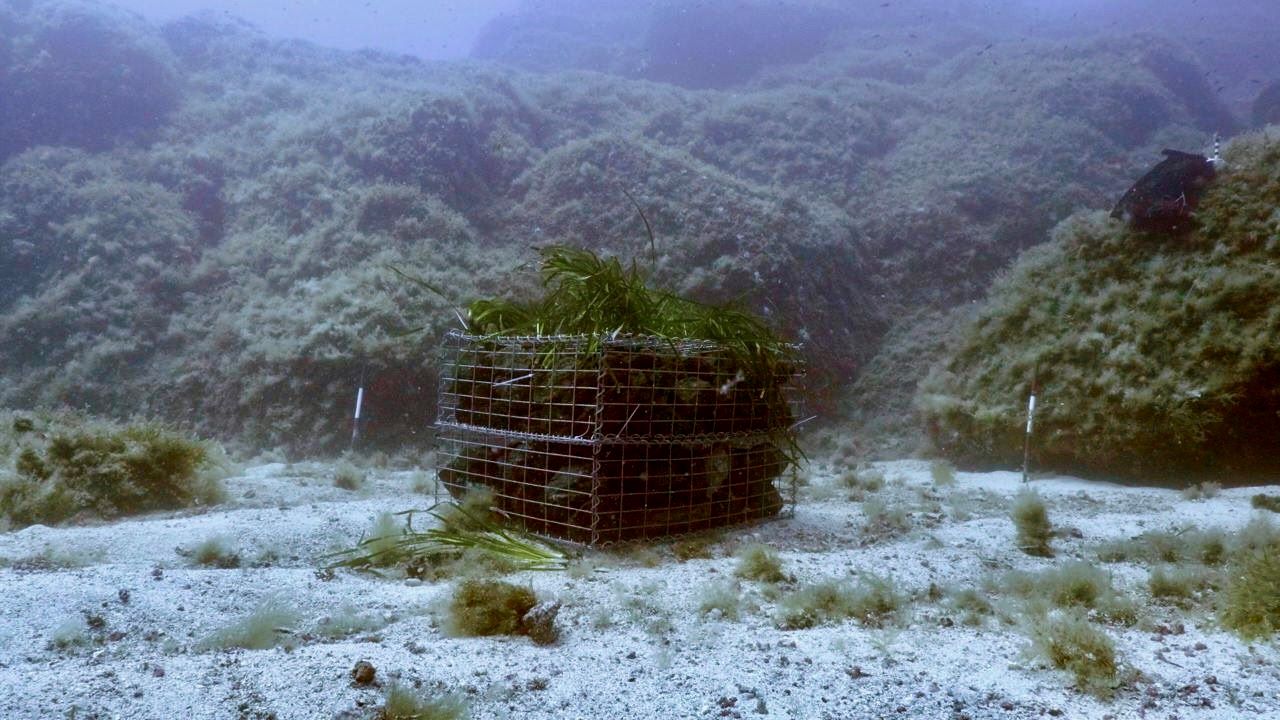
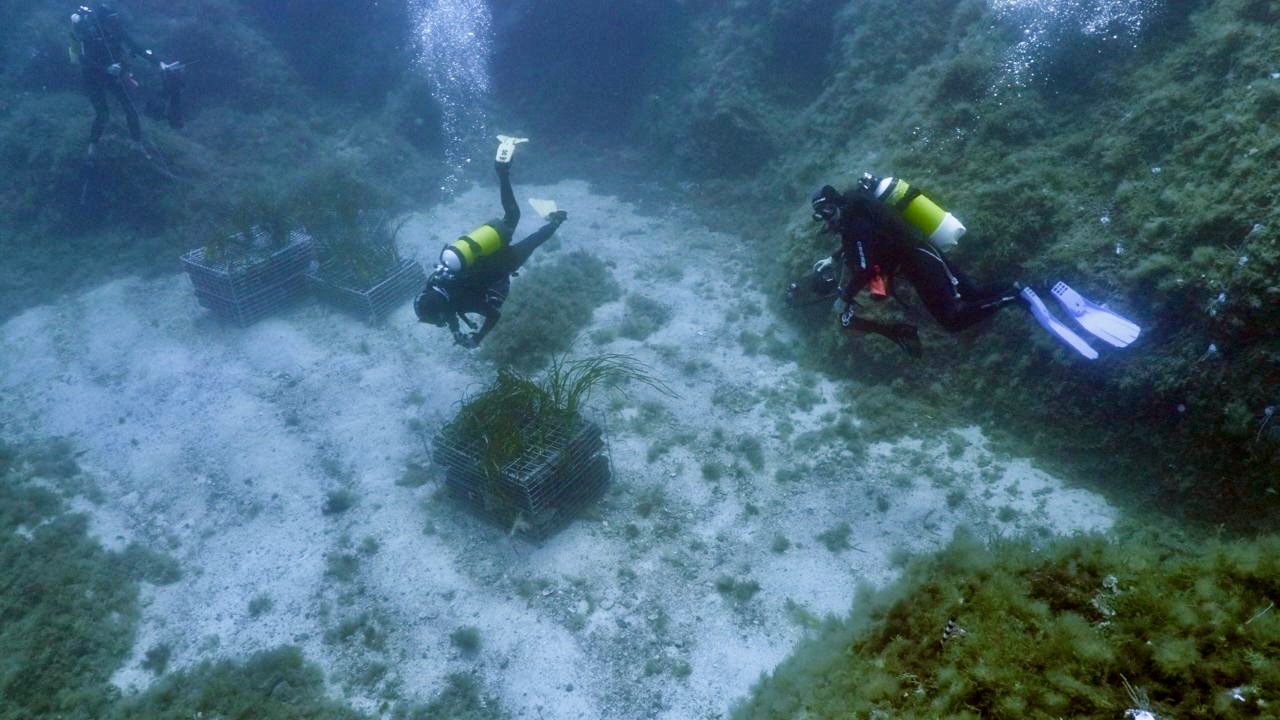
The restoration, conducted by the PANTHER project, consisted in transplants of Posidonia oceanica, sponges, and gorgonians. These species are considered "ecosystem engineers", providing food and shelter to other organisms, forming clusters of marine biodiversity.
The transplants and their development were monitored using photogrammetry, a technique that provides 3D images of the seabed.
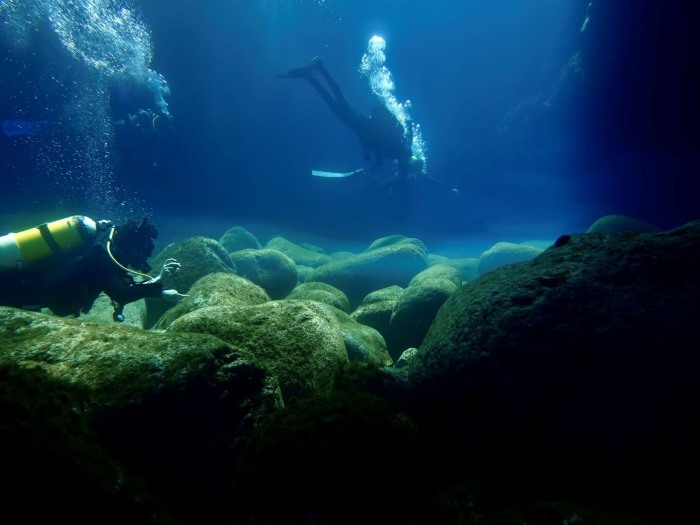
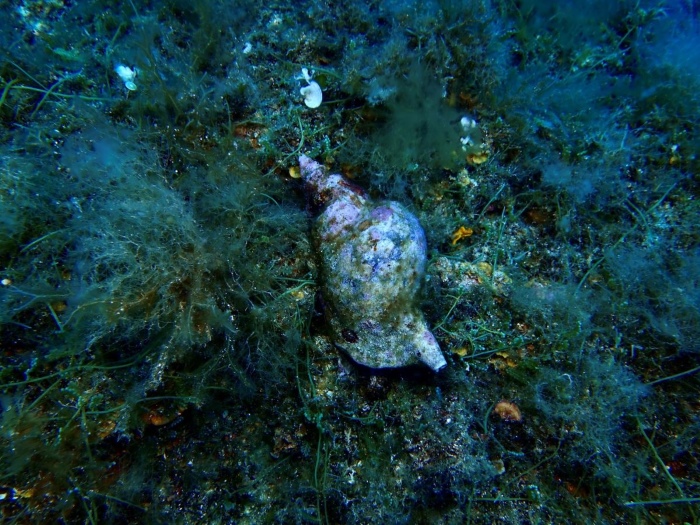
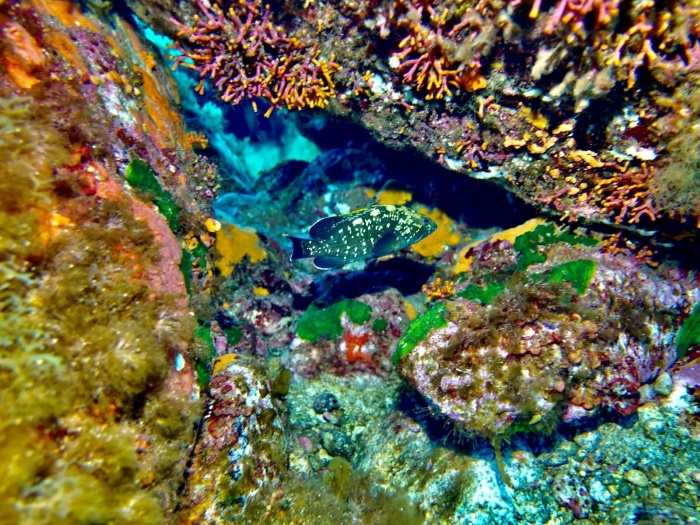
Restoring means contributing to the recovery of degraded or destroyed ecosystems. Restoration can accelerate the recovery of species abundance and diversity, with potential spillover effects on surrounding areas, and increase resilience to climate change and to the spread of invasive species.
Nonetheless, restoration alone cannot increase marine biodiversity. Currently, 79% of European coastal seabed is impacted by trawling. Ecological restoration and the removal of this destructive fishing technique are an essential step for protecting and regenerating marine biodiversity. To this end PANTHER engaged with the Sicilian authorities to ensure the full protection of the Campobello Shoal.